NIE vs TIE: the real difference (2026 guide)
Three different things, the same misunderstanding every week. Cleared up with real examples of Latin Americans in Spain.

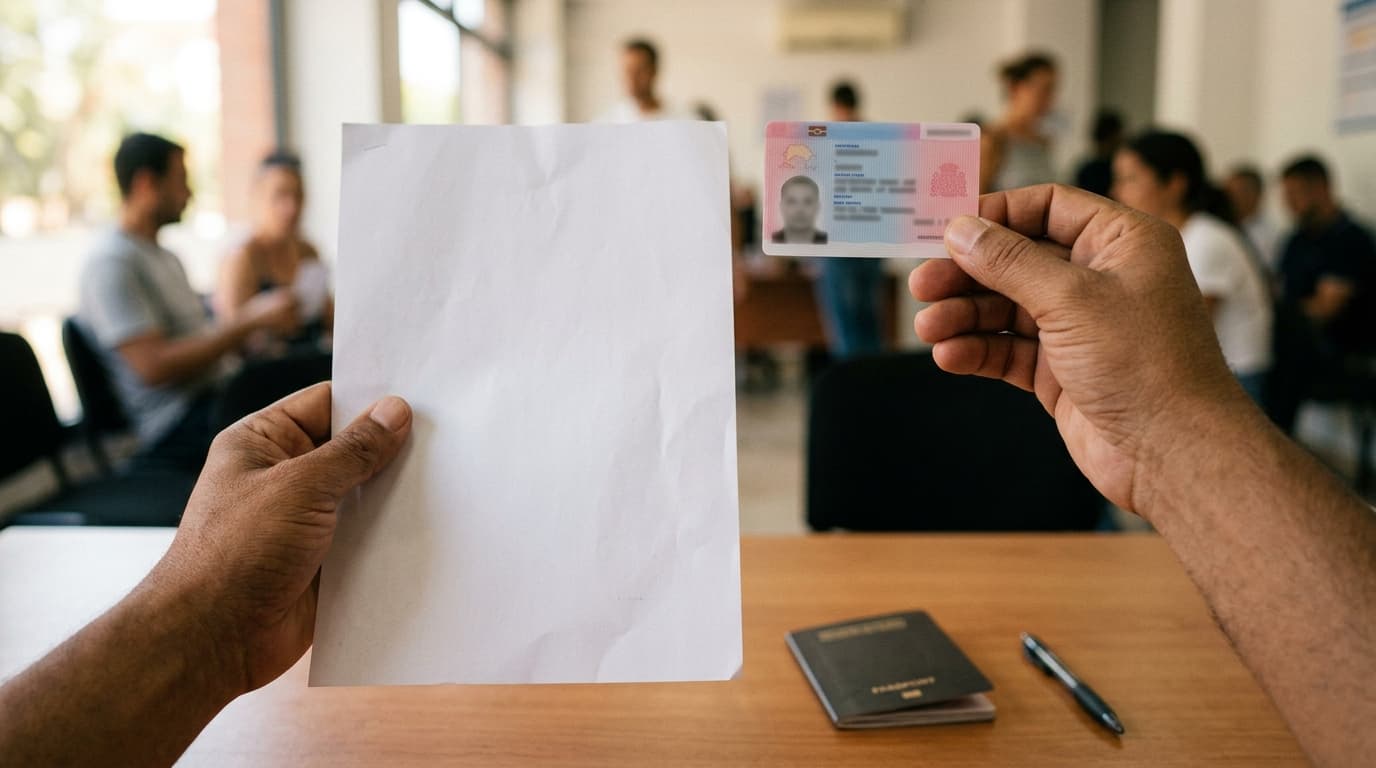
80% of the consultations we get mix these three. Not a language issue — the Spanish system names them poorly and even officials sometimes blur them. Let's go in order.
NIE: your number, not a document
The NIE (Foreigner Identity Number) is a number. That's it. The police assign it on request or automatically with your first residence card. It identifies you for life.
- What it is
- A number (letter + 7 digits + letter).
- How to get it
- Direct request (EX-15 form) or automatically with residence.
- Physical document
- A printed resolution. Not a card.
- Validity
- Indefinite — the number never expires.
TIE: the actual card that proves status
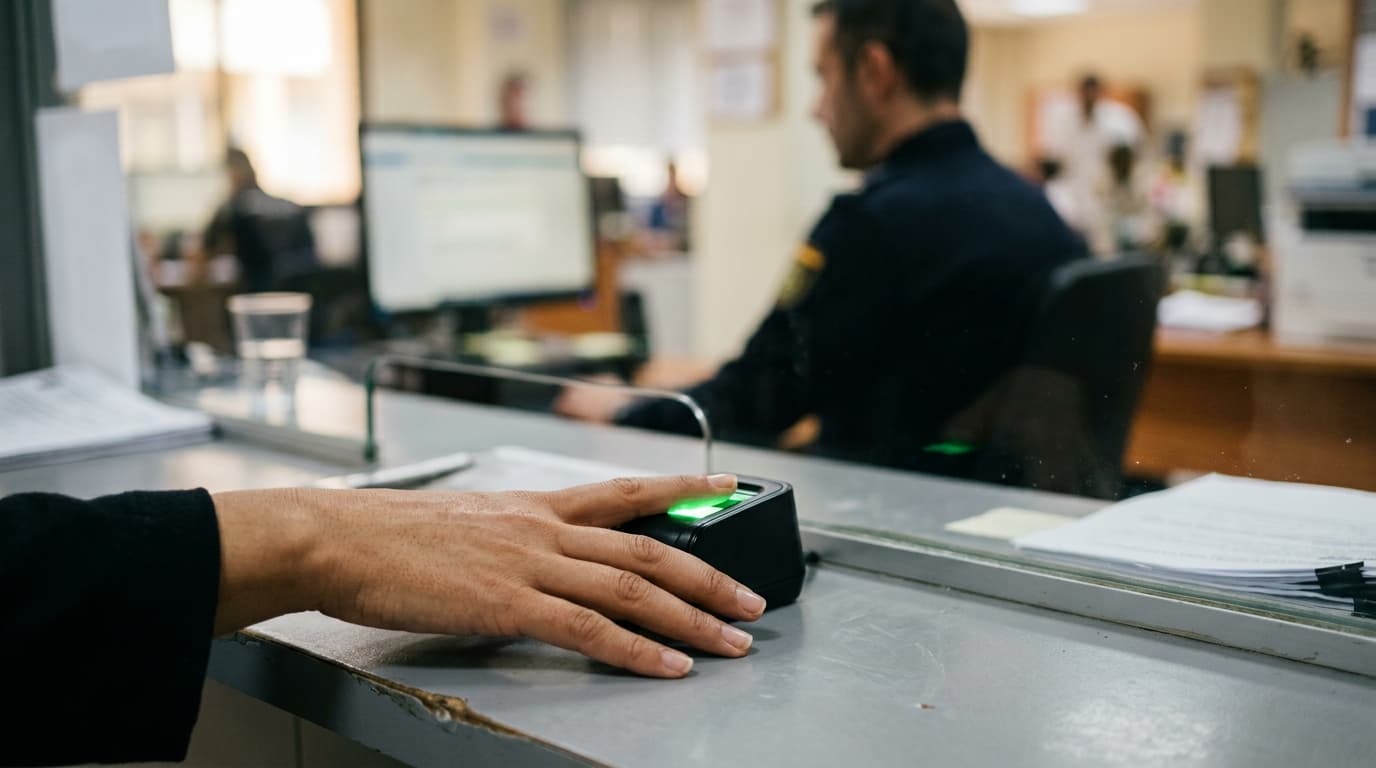
The TIE (Foreigner Identity Card) is the card — DNI-sized, with photo, fingerprint and chip. It proves you reside legally in Spain and under which authorisation. Without TIE, you cannot prove status.
- What it is
- Physical card with NIE, photo, fingerprint and authorisation type.
- How to get it
- After residence granted → police appointment → fingerprints → pickup in 30–45 days.
- Validity
- Matches your authorisation (1, 2, 5 years, or long-term 5 renewable).
- Fee
- Form 790 code 012, around €16.
EU registration certificate: the confusing one
The registration certificate is what EU/EFTA citizens get. It's a green sheet with NIE — not TIE, not Spanish DNI. It proves the community right to reside.
Which do I need?
| Situation | Main document | Notes |
|---|---|---|
| Venezuelan tourist, 60-day visit | Passport | NIE only if buying property or signing a contract. |
| Colombian with approved arraigo social | TIE | NIE printed on the TIE. |
| Italian-Argentine with EU passport | Green certificate | Process on arrival; not a TIE. |
| Bolivian undocumented working informally | Passport + padrón | No official NIE until requesting arraigo. |
| Ecuadorian, naturalised Spanish | Spanish DNI | NIE no longer relevant; DNI issued. |
Frequently asked questions
Is the NIE permanent?
The number is: once assigned it is yours for life and does not change even if your immigration status does. What expires is the document proving it. The NIE assignment certificate has a limited validity as a document, and the TIE carries its own expiry date, tied to the residence permit it makes effective.
What is the difference between the NIE and the EU registration certificate?
The NIE is only an administrative and tax identification number: it says nothing about your right to reside. The EU citizen registration certificate is the green sheet that proves your community right of residence and carries your NIE inside it. One is the number; the other is the document proving you reside legally.
Can I have a NIE without legal residence?
Yes. The NIE can be obtained as a non-resident for one-off transactions: buying a property or a car, accepting an inheritance, setting up a company or opening a bank account. Holding that number grants no right to live or work in Spain: regular status comes from a valid residence permit, not from the NIE.
If I hold TIE, do I still need to carry my passport?
Inside Spain the TIE is sufficient official ID, because it carries your photo, your fingerprint and the type of authorisation you hold. For travel outside the country, even within the Schengen area, carrying your passport as well is advisable, since random checks may ask for it as your travel document.
How long does TIE take after arraigo is granted?
In Málaga it usually takes 35 to 60 days from the grant until the card is in your hand: the fingerprint appointment comes through in 10–20 days, producing and waiting for the card takes another 20–40 days, and then you have to collect it. The fee is form 790 code 012, around €16.
If I'm an EU citizen, do I need any Spanish document?
If you will reside in Spain for more than three months, yes: the EU citizen registration certificate, the green sheet carrying your NIE. It is mandatory although widely skipped. It is neither a TIE nor a Spanish DNI: it proves your community right to reside, and it also applies to dual EU nationals.
Want a 1:1 read of your case?
Book a 45-minute consultation. We'll map your file across the new regulation and tell you the clean route forward.
Keep reading
- Immigration advisory in Málaga: NIE, arraigo and residency
- Immigration appointments in Málaga
- Padrón without a rental contract
- AEM services
- Appointment for NIE, CUE or TIE fingerprints
- Apostille for Argentine documents
- How to apostille an Argentinian document: 2026 guide
- How to get your TIE after the 2026 regularisation