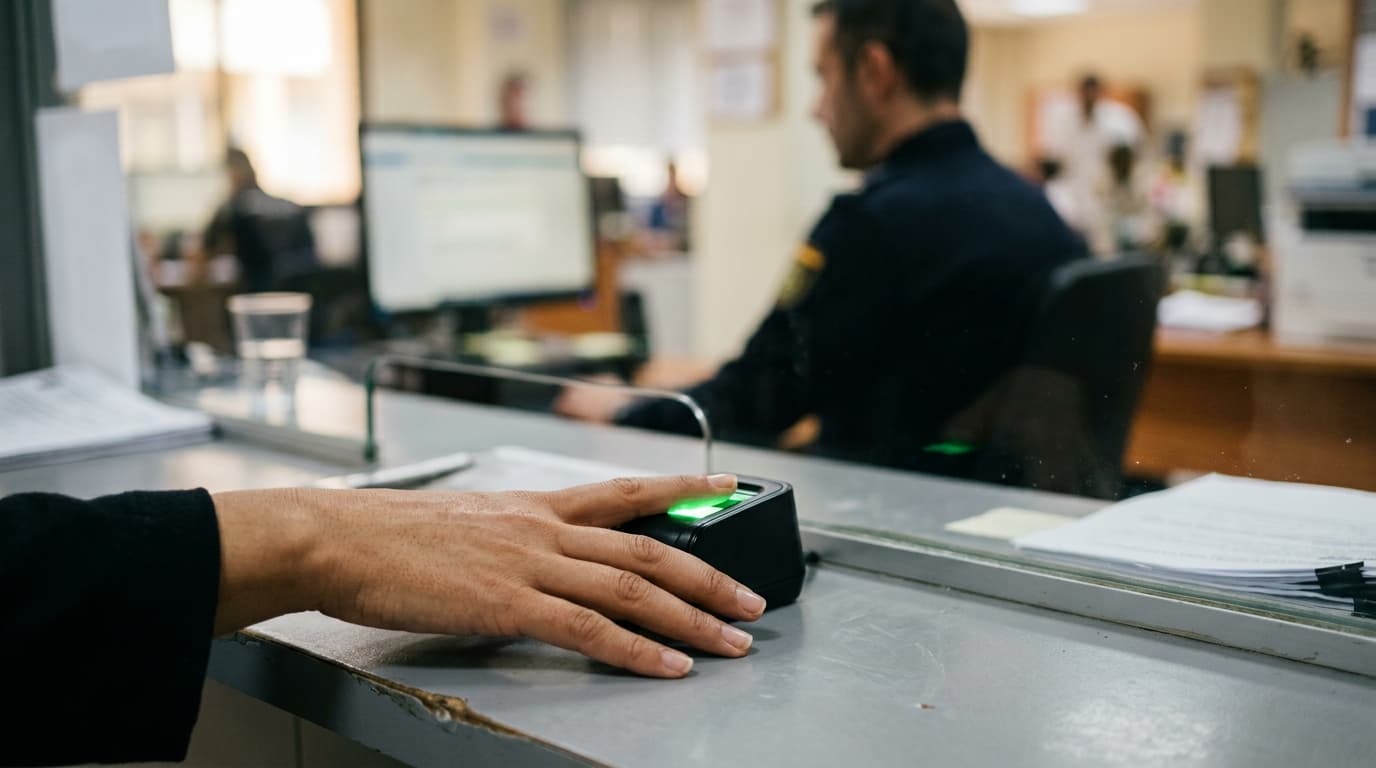
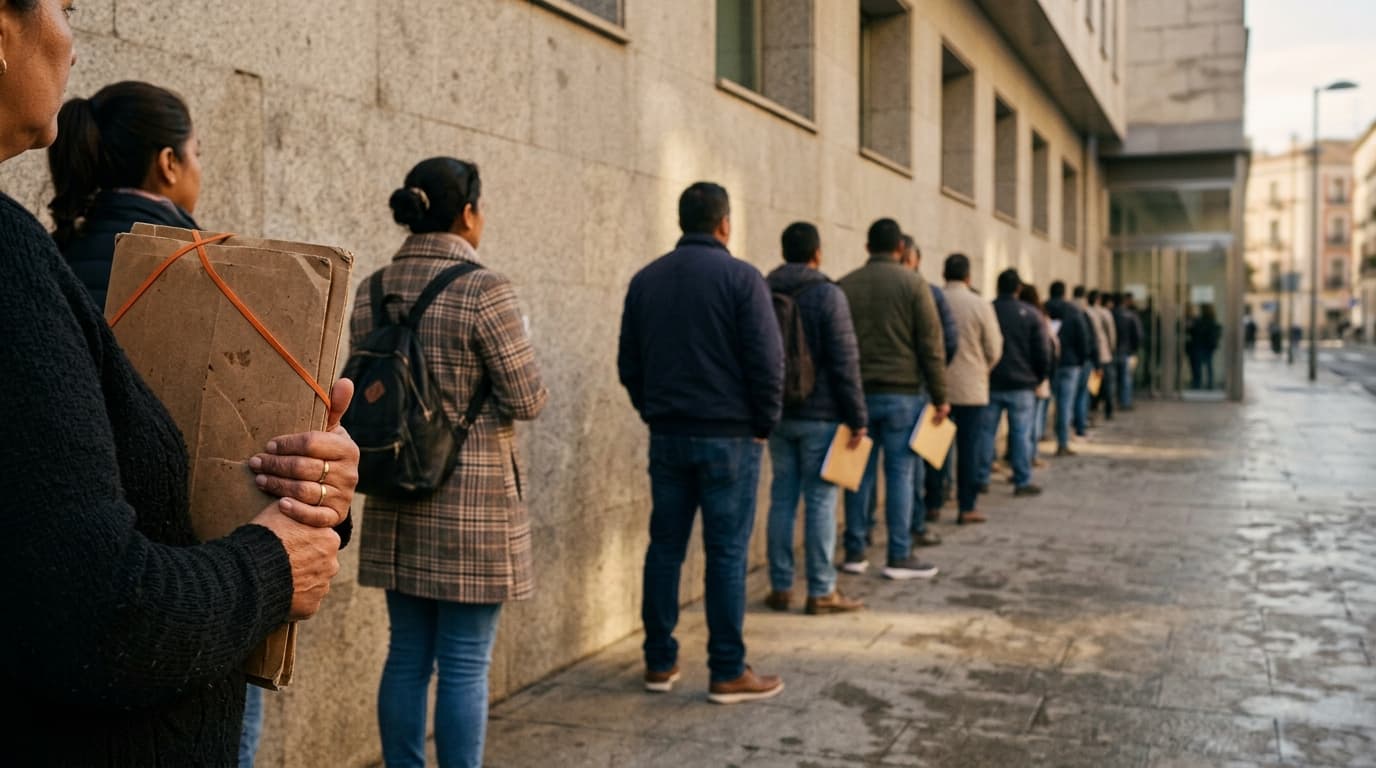
The five arraigos of 2026: which one fits you, row by row
Social, socio-labour, family, training, second chance. Each has its audience. Practical comparison so you pick the right route before moving paper.


Picking the wrong arraigo is the most frequent cause of denial we see. It's not paperwork — it's strategy: the same person can be eligible via two routes, but one resolves in six weeks and the other in nine months. This guide helps you separate them.
Arraigo social: the classic route
- Who it's for
- Living in Spain for at least 2 years, without regular status.
- Prove
- Continued stay + income + social ties (town hall integration report).
- Documents
- Padrón history, one-year employment contract (or solvent self-employment), integration report.
- Time to resolution
- 3–5 months in Málaga.
Arraigo socio-labour: when you're already working
- Who it's for
- Two years in Spain + active employment.
- Prove
- Stay + contract of at least 20 weekly hours or several compatible contracts.
- Documents
- Padrón, current contracts, work life, SS registration.
- Time to resolution
- 2–4 months.
Arraigo familiar: fastest when it applies
- Who it's for
- Parent of a Spanish minor or minor in Spain; spouse of Spanish/EU citizen; child of an original Spanish citizen.
- Prior stay
- None.
- Documents
- Document proving the bond (family book, birth certificate, marriage certificate).
- Time to resolution
- 1–3 months.
Arraigo formativo: the most underused
- Who it's for
- Two years in Spain plus commitment to regulated training or a professional certificate.
- Prior stay
- 2 years.
- Documents
- Enrolment or commitment in a recognised centre + stay.
- Time to resolution
- 2–4 months.
Second-chance arraigo: for those who had papers
- Who it's for
- You held residence and lost it within the past 2 years.
- Prior stay
- 2 years in Spain + residence expired in that window.
- Documents
- Expired card or prior resolution, proof of continued stay afterwards.
- Time to resolution
- 3–5 months.
How to decide in 5 minutes
- Family bond with a Spanish/EU citizen or minor in Spain? → family.
- Held papers that expired in the past 2 years? → second chance.
- Working with or without a current contract? → socio-labour.
- Not working but in or about to enter official training? → formativo.
- None of the above, 2+ years here? → social (you'll need a job offer or self-employment).
Frequently asked questions
What is arraigo based on family ties in Spain?
It is what the rules call arraigo familiar: the route for anyone with a direct bond to a Spanish or EU citizen — parent of a Spanish minor or of a minor residing in Spain, spouse or partner of a Spanish or EU citizen, and child of an original Spanish citizen. It is the only figure with no prior stay requirement and the fastest to resolve, between one and three months.
Who is exempt from losing their arraigo?
Nobody is exempt from proving continuous stay, but continuity is not broken by any trip abroad: arraigo sociolaboral allows absences of up to 90 days within the required period. Longer absences with a justified and documented cause are assessed case by case. If you have spent time outside Spain, check it before filing, not after.
What does having strong arraigo mean to a consulate?
It is a different concept and worth keeping apart. When a consulate talks about «arraigo» when granting a tourist visa, it means your ties to your country of origin — steady work, property, dependants — that make it credible you will return. Immigration arraigo is the opposite: your ties to Spain, so you can stay.
Can I file two arraigos at once?
No. You pick one and file. If denied, you appeal or reorient — filing simultaneously doesn't speed anything and usually blocks the file.
Does family arraigo require cohabitation?
When the bond is with a minor, parental responsibility and, where possible, cohabitation must be proved. With a Spanish spouse, cohabitation is what sustains the bond in practice.
How much does each arraigo cost?
Official fees range €16–40. The real cost is preparation: sworn translations, apostilles, integration report (free but appointment-based), consular certificates.
Do I need a lawyer or is a gestoría enough?
An immigration-focused gestoría handles 95% of cases. If there is a prior denial or complex file (criminal record, kids in another country), an immigration lawyer is worth it.
Want a 1:1 read of your case?
Book a 45-minute consultation. We'll map your file across the new regulation and tell you the clean route forward.